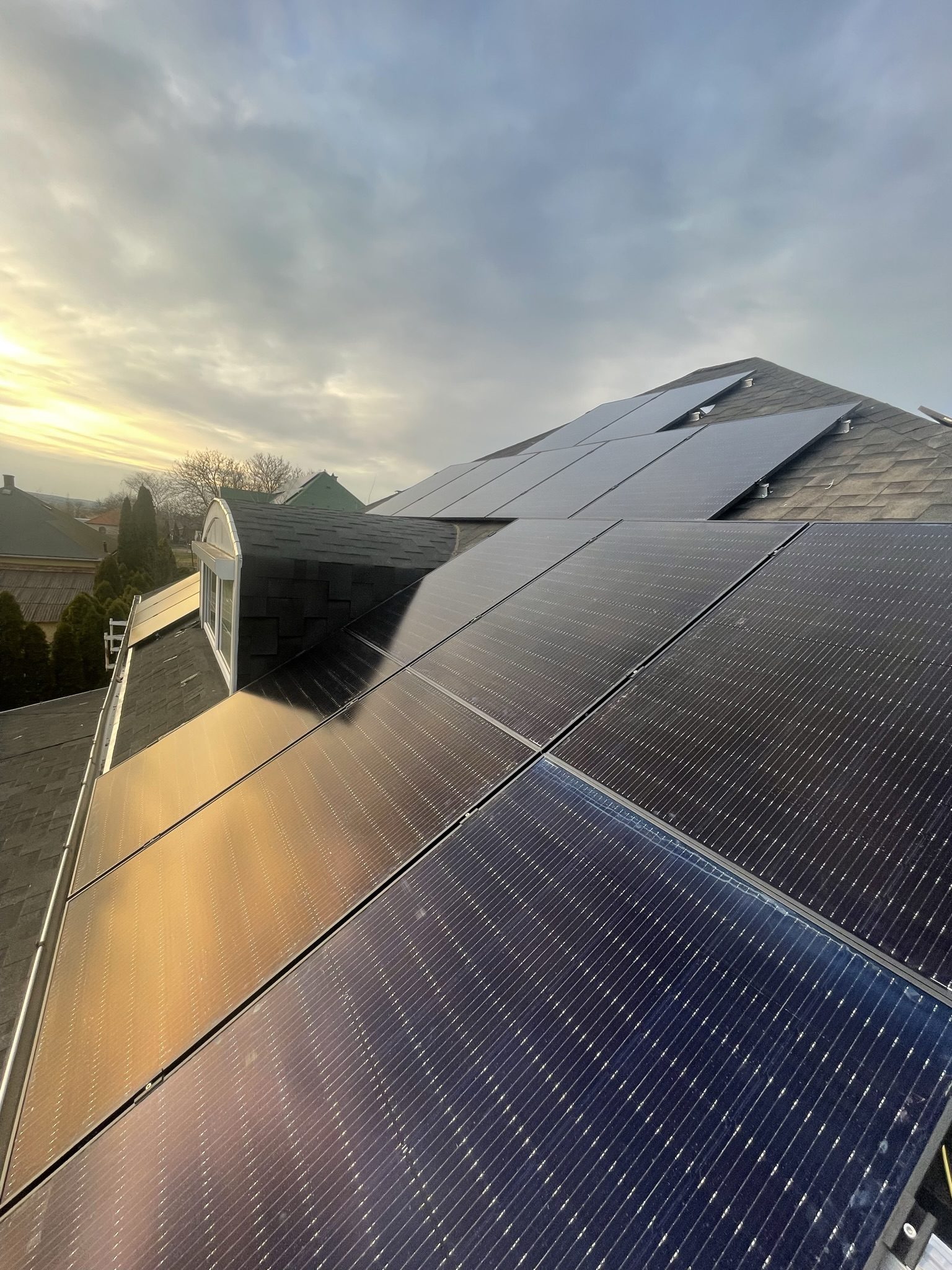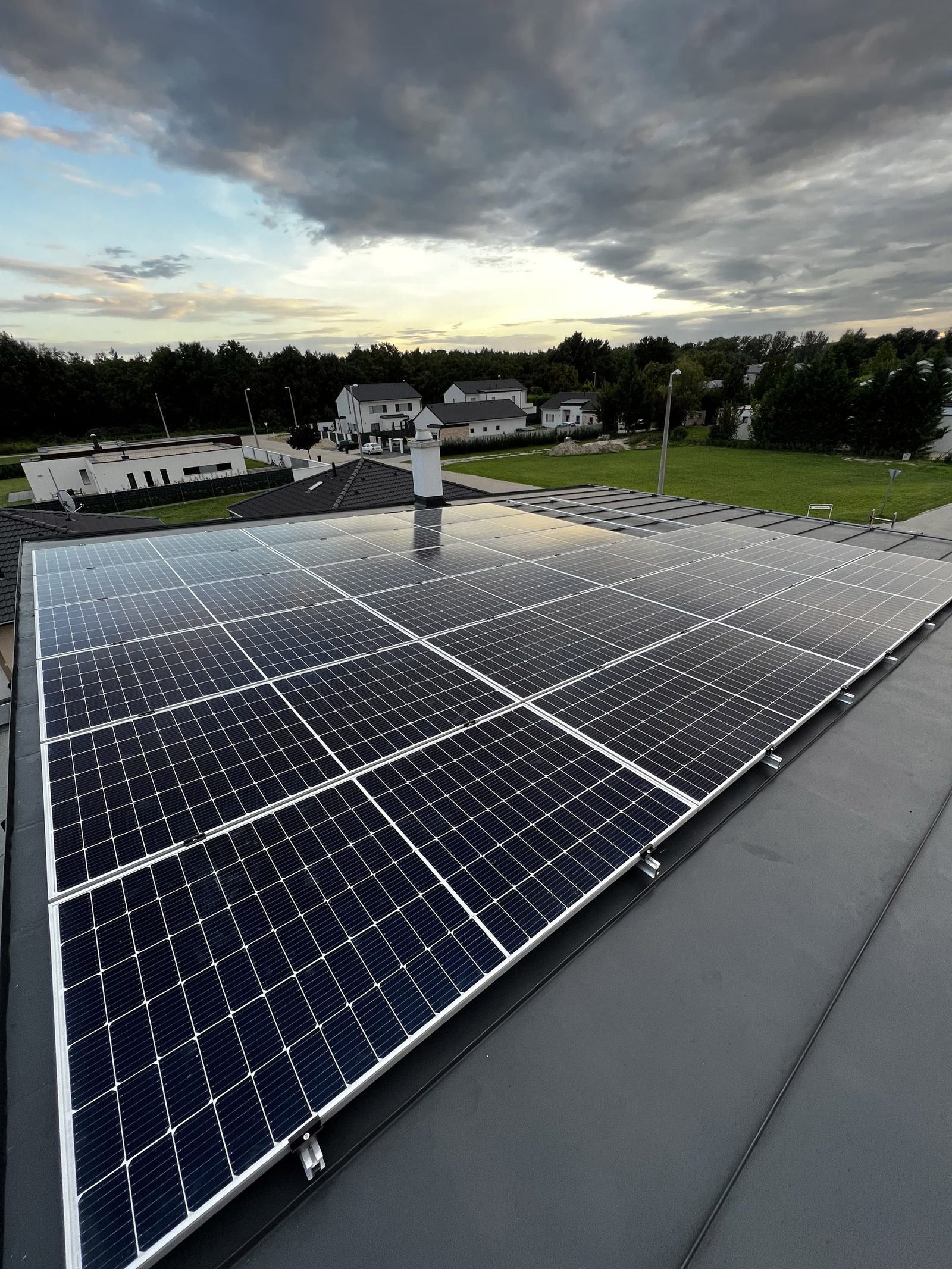
Home charging of an electric car is one of the best complements to solar: energy produced during the day is the cheapest fuel a car can get. In practice, though, several things must be coordinated: the charger's power, the house's grid connection, the solar output and the control system.
Why 11 kW?
An 11 kW wallbox is three-phase and works at 16 A per phase. That is the upper limit of the onboard AC charger of many electric cars, so a more powerful home charger gives those cars no extra benefit. A 60 kWh battery can be charged from 20 to 80 percent in roughly 3 to 4 hours. The Axibox 11 kW wallboxes with a Type 2 connector in three-phase version do this job and are compatible with most brands.
How much energy is involved?
At 15,000 km per year and 17 kWh per 100 km, the car needs about 2,500 kWh a year. That is roughly half the annual output of a 5 kWp solar system (about 5,500 kWh), so it is a significant new load in the household. If a large part of charging comes from solar, the electricity cost of running the car becomes minimal.
Load management: the grid connection limit
An average family house often has a 3 x 25 A connection. If the charger draws 16 A per phase while the kitchen is cooking and the heat pump and boiler are running, you can easily exceed the connection capacity and trip the main fuse. There are three solutions:
- Dynamic load management: a meter (the smart meter belonging to the inverter or charger) senses the house's instantaneous consumption and adjusts charging current to it. This is the recommended solution.
- Fixed limit: the charger current is set to, say, 10 A. Simple, but slower charging.
- Increasing the connection capacity: can be requested from the network operator, for a fee and with some lead time.
Charging from solar surplus
The point of solar surplus control is that the charger draws only the power left over after the household's own consumption. An important technical limit is that electric car charging typically starts at a minimum of 6 A. For single-phase charging that is about 1.4 kW, for three-phase about 4.1 kW. With a three-phase charger, surplus mode therefore needs at least about 4 kW of solar surplus, or a charger and car that support phase switching. Surplus mode support in Axibox models depends on the model and the meter, so we confirm this before installation.
A practical tip: if the system has a hybrid inverter, set a priority between the battery and the car so the car does not drain the home battery at the end of the day.
HMKE and notification
The solar system is tied to the notification of a household-scale power plant (HMKE). The charger alone does not require a separate permit, but the connection capacity and grid conditions play a role. If the house's power demand rises, it is worth consulting the network operator in advance. We always take feed-in limits and the effect of new loads into account when designing.
Practical checklist before installation
- Check the condition of the main fuse and distribution board, adding an RCD and surge protection where needed.
- Correct cable cross-section and protection for the charger, with proper earthing.
- Install a smart meter for load management.
- Charger location: ideally in the garage or a covered, sheltered spot.
In a well-designed system, solar, battery and car charger complement each other. Send us your house's grid details and your car model, and we will design the charger to fit with your solar system.